Must try: Top 10 Famous Foods in the Philippines
“Pull up a chair. Take a taste. Come join us. Life is so endlessly delicious.”
― Ruth Reichl
We can’t believe that such foods exist only here in the Philippines. The very wild imaginations of the filipino to create such dishes is very outstanding. Who would know that you can create these kind of dishes and they would all have a tremendous taste.
Here’s our list of the Top 10 Must TRY foods in the Philippines:
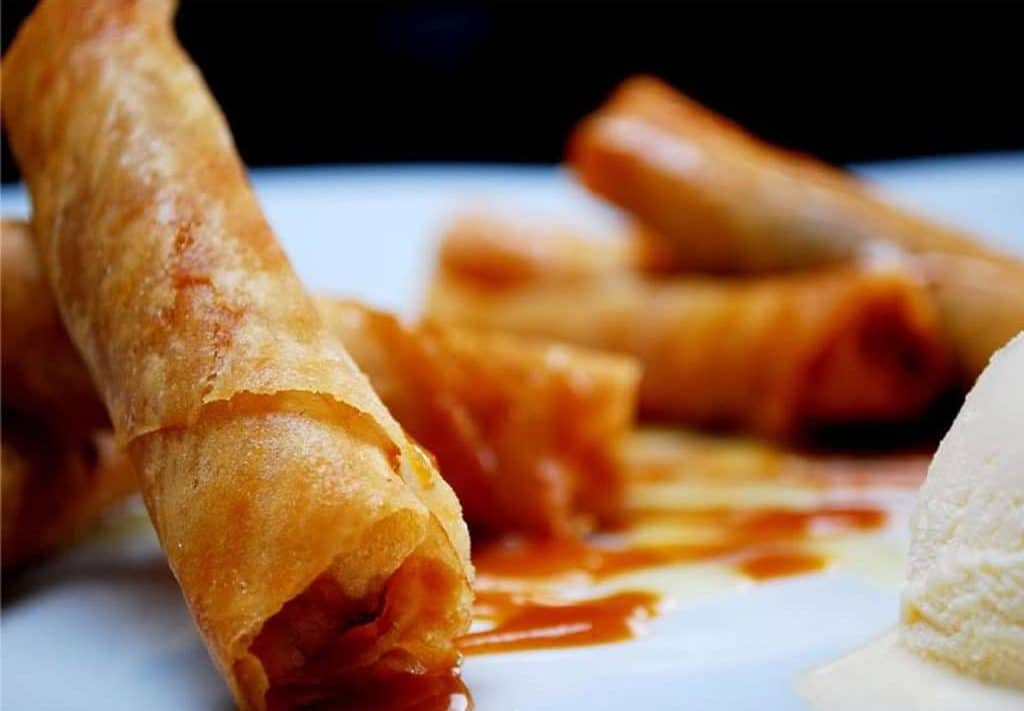
TOP 1 : Turon
Turon is one of the Filipino desserts that is easiest to cook and prepare. Its primary ingredient, the saba banana is wrapped in a spring roll wrapper and then deep fried in a boiling oil with melted brown sugar – and the result is a caramelized perfection. For a more special occasion, it can be topped with a scoop of ice cream. Bananas are common in the country regardless of the season so you can find this local dessert all year round. Most locals prefer to eat turon during afternoon siesta or it can serve as snacks when entertaining a guest. It can either be paired with a hot or cold drink.
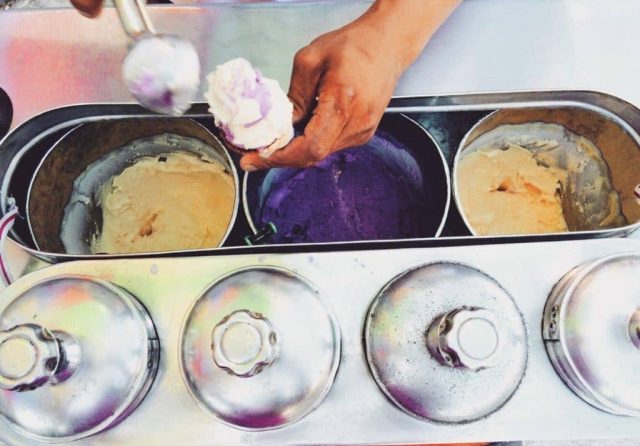
TOP 2 : “Dirty” Ice Cream
“Dirty” Ice Cream Don’t let the name intimidate you. In fact, the Philippines’ “dirty” ice cream is one of the most famous desserts in the country. They are usually peddled in the streets in small carts and is offered in commonly different flavors depending on what is available during the season: mango, cheese, buko, and ube, avocado, jackfruit, strawberry (most common in Baguio) and many more. And to answer your question, they are not dirty – and no one is really sure how this delicious and locally-made dessert landed with that name. Regardless, it’s a must-try especially if you want to truly experience the freshest flavors of the Philippines.
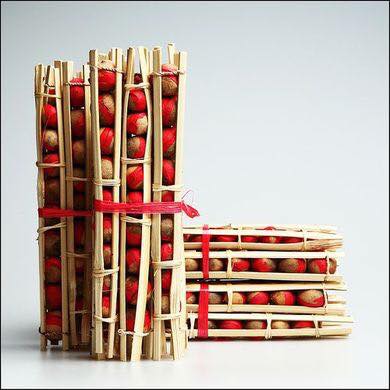
TOP 3 : Sundot Kulangot
Sundot kulangot Made from: Gelatinous rice (kalamay) cooked with brown sugar and coconut milk. By just its name alone, sundot kulangot can scare away picky eaters. It literally means “pick a booger”, describing the bizarre way of eating it. But despite its name, there’s nothing gross about this traditional candy. Packaged within small wooden orbs, sundot kulangot are actually sweet, pinch-sized delicacies that taste like our traditional coconut jams. One must break the orb and use either a popsicle stick or one’s own finger to get a taste of the candy. Thanks to its tedious preparation, sundot kulangot is now becoming a rarity with its limited supply being sold in Baguio City and other Northern Luzon provinces.
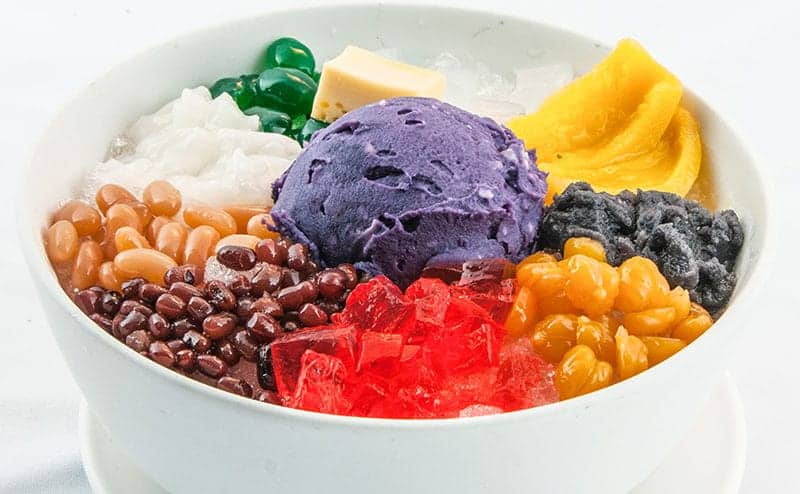
TOP 4 : Halo-halo
4. Halo-Halo Halo-halo, literally translated as “mixed” in English, is an actual mix of several colorful and flavorful ingredients like sweetened slices of banana, fresh strips of buko, tapioca pearls, cubes of mango, nata de coco (jellied and fermented coconut water) kaong (from a fruit of sugar palm tree), sweetened langka (jackfruit) and many more. The dessert is completed by topping a scoop or two of crushed ice, and drizzled with honey (sometimes sugar is added with the fruits) and evaporated milk. For a more special version, you can add ice cream, leche flan, or ube halaya.
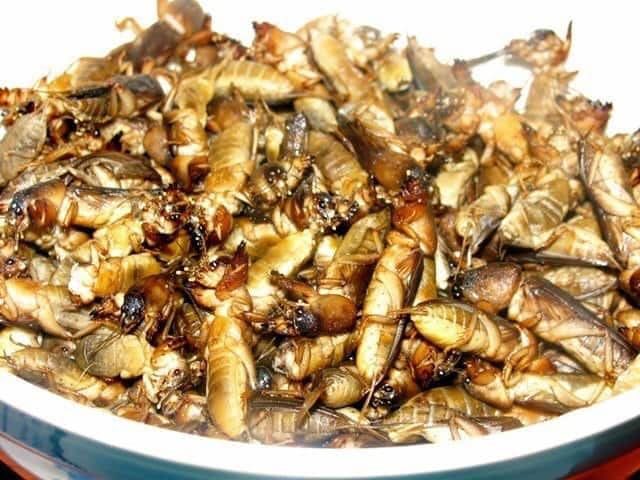
TOP 5 : Kamaro
Made from: Mole or rice field crickets. The fact that it emerged from the country’s culinary capital means there’s something delectable about kamaru. But for non-Kapampangans, it’s harder to muster the courage to feast on this exotic dish, especially when the image of dirty, crawling insects keep on popping up. The unusual crunchiness and the juice coming out from the insect’s abdomen also add up to its “yucky” factor. But if prepared and cooked right, perhaps an adobong kamaru may inspire the adventure foodie out of you.
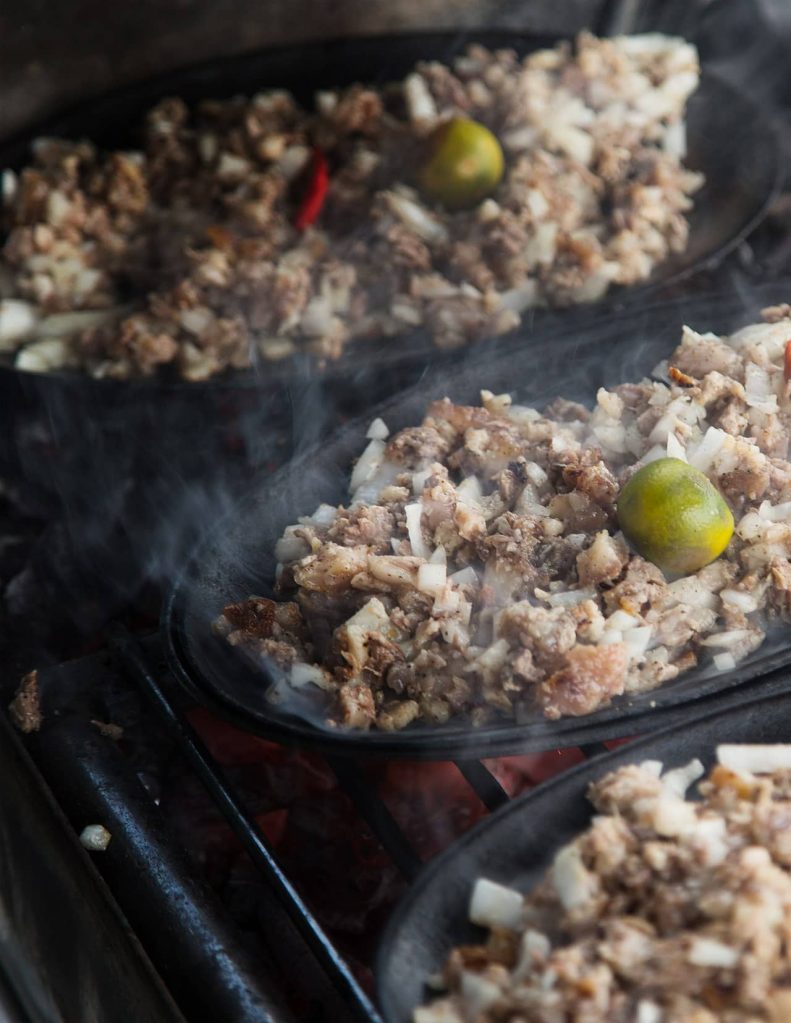
TOP 6 : Sisig
Sisig is a Kapampangan dish made from parts of pig head and chicken liver, usually seasoned with calamansi, onions and chili peppers. Sisig was first mentioned in a Kapampangan dictionary in the 17th century meaning “to snack on something sour” and “salad”. It usually refers to fruits, often unripe or half-ripe, sometimes dipped in salt and vinegar. It also refers to a method of preparing fish and meat, especially pork, which is marinated in a sour liquid such as lemon juice or vinegar, then seasoned with salt, pepper and other spices.
Sisig has been a culinary tradition of Pampanga and the Kapampangan people feel very strongly about it to the point that the city government of Angeles City, Pampanga, through its City Ordinance No 405, Series of 2017, declared Sizzling Sisig Babi (Pork Sisig) as an intangible heritage of Angeles City.
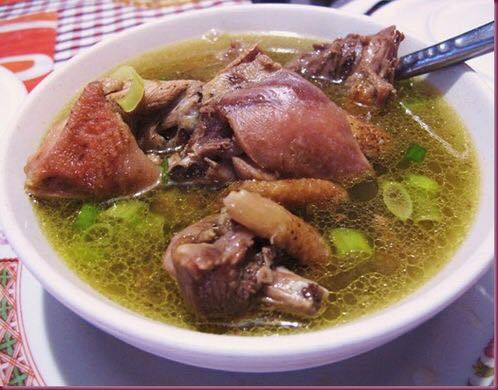
TOP 7 : Pinikpikan
Made from: Native chicken beaten to death through a process called “pikpik” from which the dish got its name. The Bontoc tribe of the Cordillera region must have been hated by animal welfare groups. Blame it on traditions but this group prefers to torture their chickens before boiling it with salt and cured pork (etag). They believe that lightly beating the chicken with a stick tenderizes and boosts the flavor of the meat. But utmost care is required to get that perfect Pinikpikan. An ideal chicken should not be bloody after beating with its bones still intact.
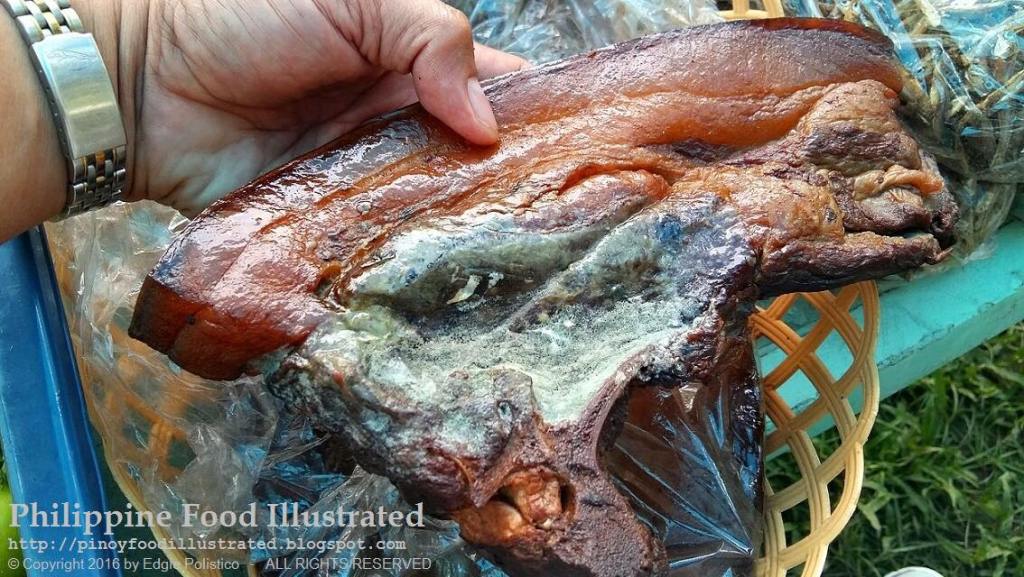
TOP 8 : Etag
Made from: Native pork that is cured by either smoking or storing in earthen jars for weeks (binurong baboy) Etag is Sagada’s official ham. In fact, this patent-pending meat delicacy has a festival named after it. Etag is prepared by salting the pork and curing it either by smoking or storing in earthen jars for several weeks. Foul-smelling, dark, and rotting with maggots, the final product is exactly not for the faint at heart. Nevertheless, Cordillera traditions won’t be complete without this local meat favorite. And with current plans of standardizing its preparation and improving its culinary taste, it won’t take too long before Etag captures our taste buds as well.
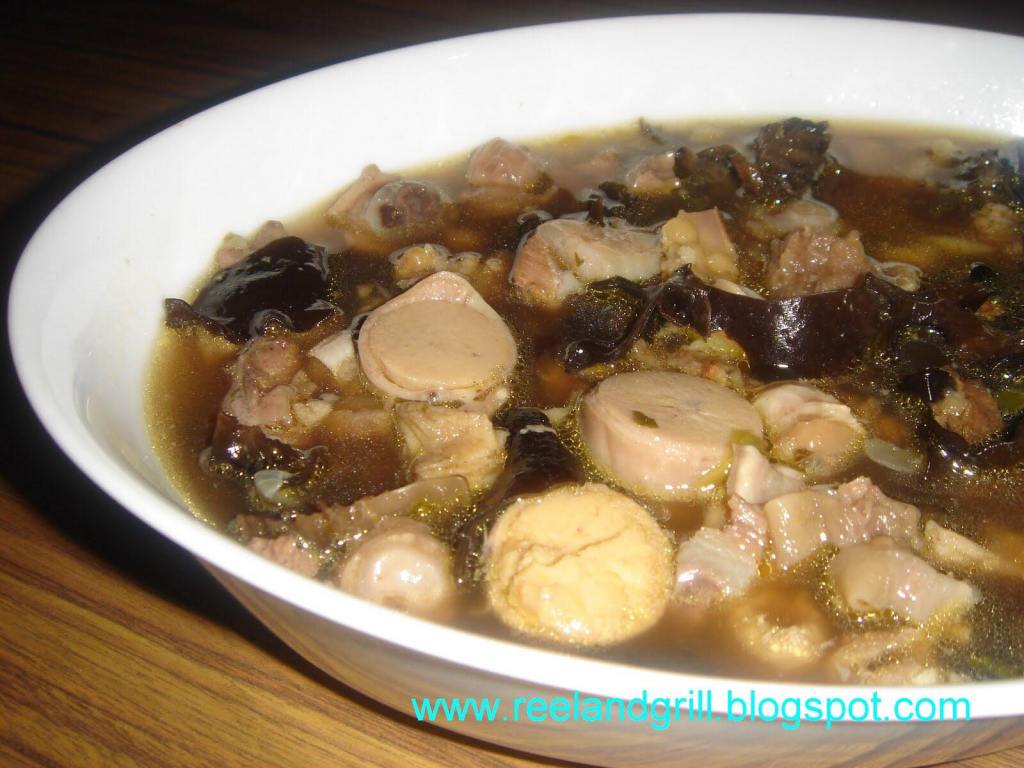
TOP 9 : Soup no. 5
Soup no. 5 Made from: Bull’s testes and penis. Soup no. 5 is made from a bull’s sex organs—considered by many as the “fifth leg” of the animal, hence the name. Cebuanos know it as “lanciao” and is believed to give the physical attributes of a bull to anyone willing to take a sip. Nutrition-wise, a serving of Soup no. 5 gives less zinc (the mineral which increases libido) when cooked. Nevertheless, it remains a fantastic choice for those who are either bored with bulalo or craving for an unusual beer match.
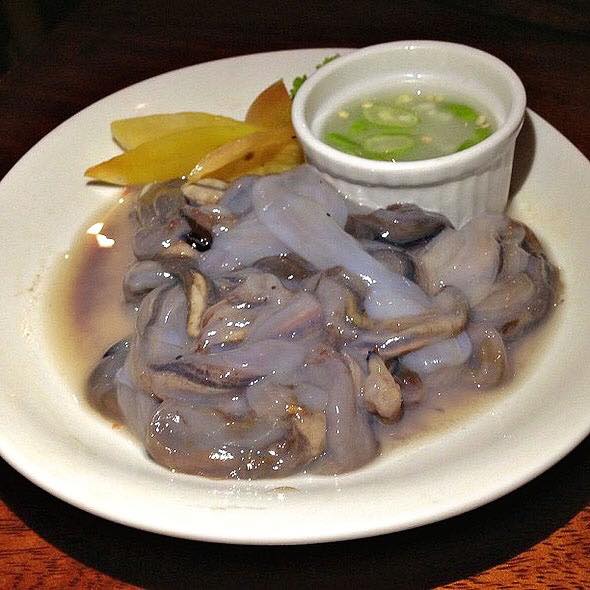
TOP 10 : Tamilok
Made from: Raw tamilok (shipworm) marinated in a mixture of vinegar, chili, and onions. It’s slimy, salty, and nowhere near appetizing. But to make your Palawan adventure memorable, local guides will tell you that tamilok is really worth a try. Tamilok usually bores into wooden structures and mangroves that are abundant in the municipalities of Coron, El Nido, and Linapacan. Eating a tamilok also means munching on pests because these creatures destroy every wood they come across, giving them the name “termites of the sea”.
All this foods can only be found in the Philippines. They are very unique and some might not eat it but looks can be very deceiving. If you can take the courage, be up to the challenge, surely it will be worth it. Many people have conquered their fears and enjoyed the clashing flavors and tastes of these foods. What are you waiting for? All this can be experienced only here at the Philippines
This is our first blog. We are still currently making another blogs about the Philippines and we do hope that you will stay tuned. If you want to be updated to our new blogs as quick as possible, hit the subscribe button below.
 ALMNS
ALMNS 